

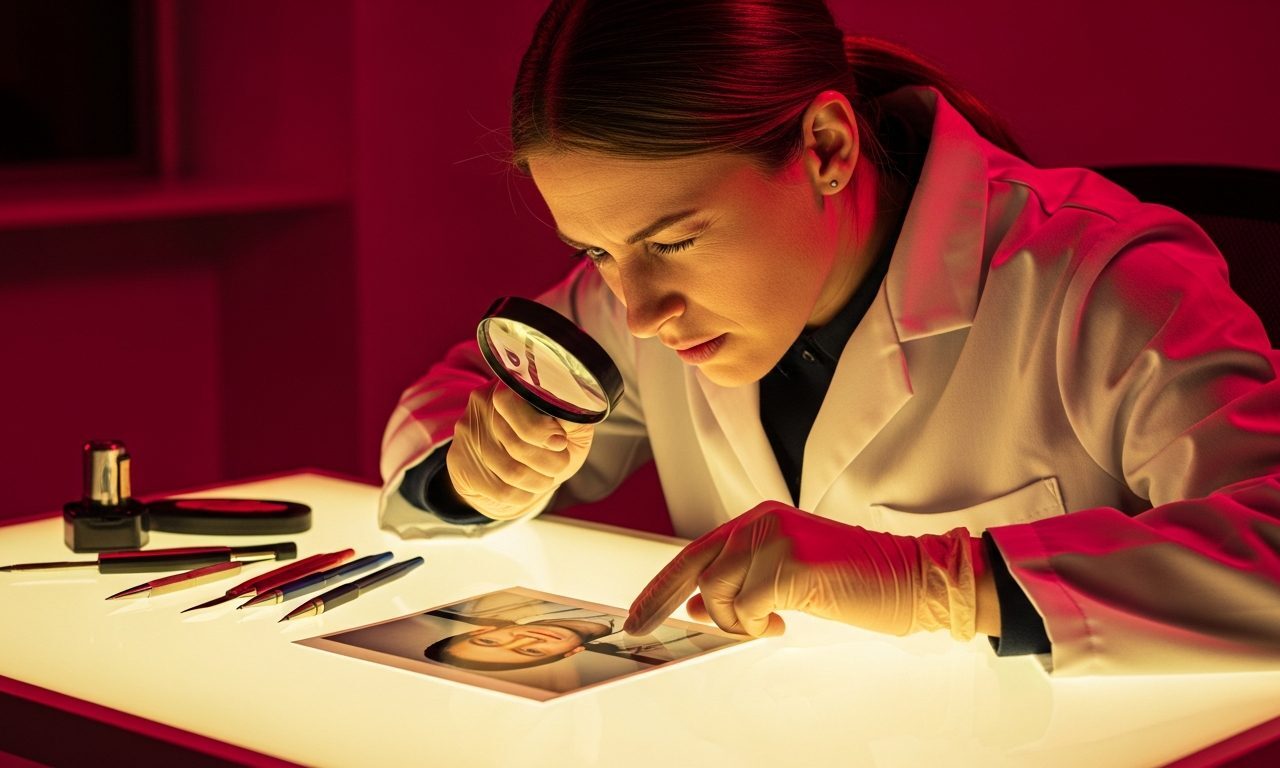
The tools that can generate a convincing video of a person saying something they never said are no longer expensive, specialist, or slow. Several of them are free. Several require no technical skill. The average time to clone a voice from a short audio sample has dropped from hours to under a minute.
This is not a prediction about what AI might eventually do. It is a description of what is happening right now, in 2026, at scale.
The regulatory response
The EU AI Act requires, from August 2026, that operators of AI systems clearly label deepfake content as artificially generated or manipulated. This creates a disclosure requirement but does not prevent creation or distribution of content by bad actors outside the regulatory framework.
Several US states have passed laws making non-consensual deepfake pornography a criminal offence. The challenge is that enforcement is jurisdictionally complicated when content is created in one country and distributed through platforms operating in another.
The honest assessment of regulation: it is a necessary signal that this matters, but it is not a solution to the underlying technical problem.
What you can actually do
The practical changes that actually reduce exposure:
For individuals: Reduce the volume of high-quality audio and video of yourself that is publicly accessible. This reduces the training data available for convincing clones. Set up a verbal safe word with close family members for use in unexpected phone or video calls where identity matters.
For organisations: Implement out-of-band verification for any request involving financial transfers, credential changes, or sensitive decisions — regardless of how convincingly the requestor can be heard or seen. The question “can I confirm this through a separate channel?” should be standard procedure, not an insult.
For media consumption: Develop the habit of source-checking before sharing. The question is not “does this look real?” — it will often look real. The question is “where did this originate, and can I verify it through a source I trust independently?”
None of these are perfect. The asymmetry between generation and detection is real and is unlikely to close in the near term. The adjustment required is not technical — it is a recalibration of how much trust we extend to digital media by default. The answer is: less than we used to, and with more verification before action.
About the author
Shahid Saleem writes PickGearLab — a practical blog about AI tools, tutorials, and automation workflows for people who want real results, not another listicle. Certified in Microsoft AZ-900, CompTIA Security+, and AWS AI Practitioner, with 10+ years in enterprise IT.
→ Connect on LinkedIn · More about Shahid · Latest posts
Related reading
- How to Debug Any Technical Problem With AI: A Method That Works When You Do Not Know the Cause
- AI and Copyright — Who Actually Owns What an AI Creates?
- DeepSeek Explained — Why China’s AI Shocked the World
- Will AI Replace Your Job in the Next 5 Years?
One practical AI tutorial. Every Monday.
Workflows like this one — straight to your inbox. Free. Unsubscribe in one click.
Subscribe free →