
The difference between a discovery call that closes and one that doesn’t is often just preparation — and preparation used to mean 45 minutes of research you didn’t have time for. Here’s the 15-minute AI routine I actually run before every new client call, prospect or referral.
Minutes 0–5: build the company snapshot
I paste the company’s website URL and LinkedIn into Perplexity with the prompt: “Summarize what this company does, who their customers are, and any recent news or changes (funding, leadership, product launches) in the last 6 months.” Because it’s search-grounded, this comes back with real, checkable sources — not a guess.
Minutes 5–10: find the actual pain point
Next prompt: “Based on this company’s public presence, what are 3 likely pain points someone in their position (their role/title) would have that a [your service] could solve? Be specific, not generic.” This isn’t a script — it’s a hypothesis list. The goal is walking in with informed guesses to test, not a canned pitch to deliver.
Minutes 10–13: draft your questions
I ask for 5 open-ended discovery questions tailored to those hypotheses — not “tell me about your business” (they’ll assume you didn’t prepare) but questions that prove you already looked. Something like: “I noticed you launched X recently — how has that changed [specific workflow]?” lands completely differently than a generic opener.

Minutes 13–15: the one-page brief
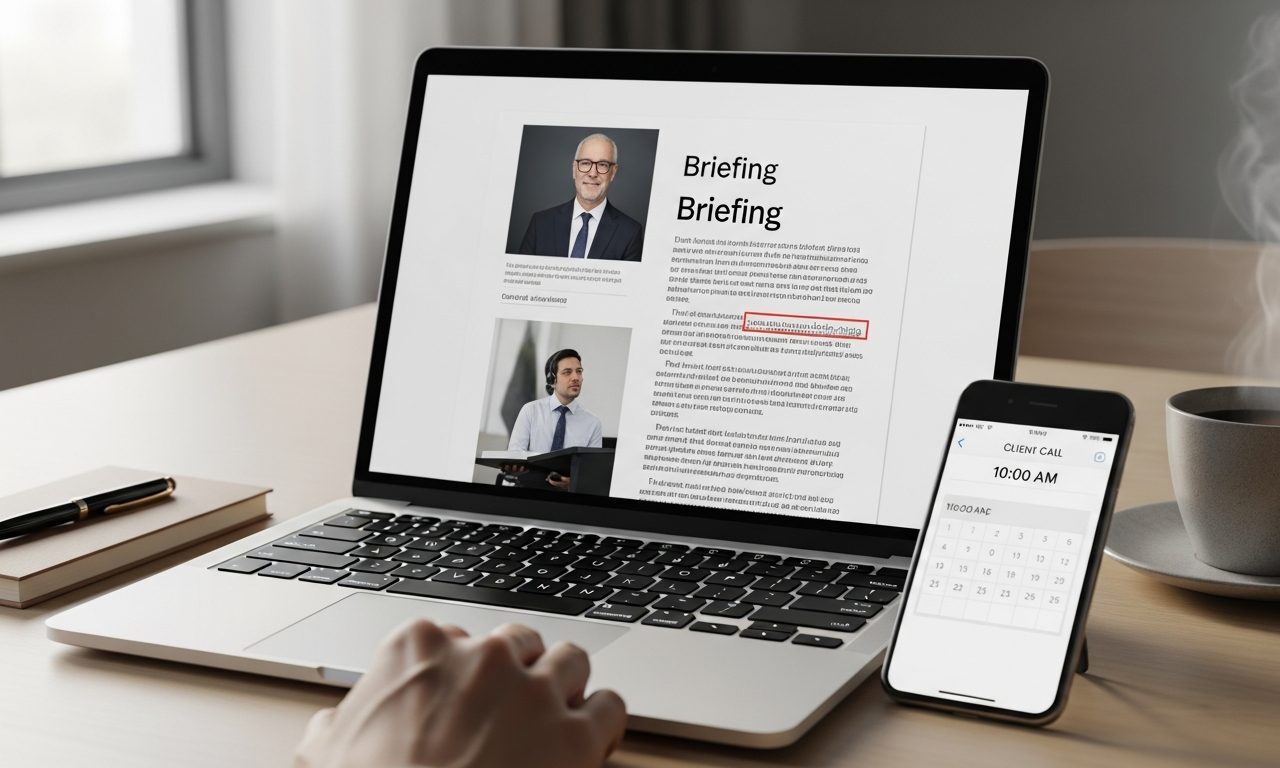
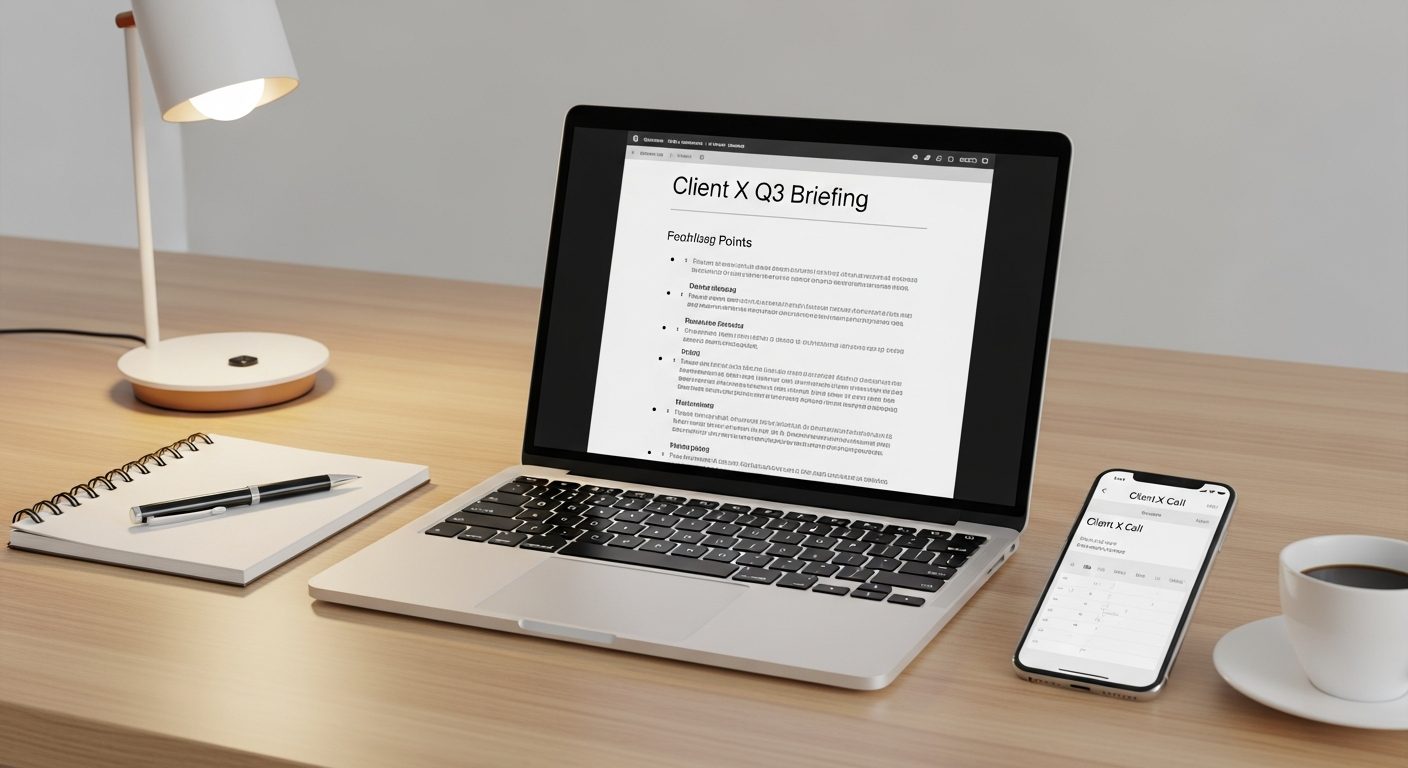
Everything above gets condensed into a single-screen brief: company snapshot, likely pain points, my 5 questions, and one line on how I’d position my service if the fit is obvious early. I keep this open on a second screen during the call — never reading from it, just glancing to stay sharp on details a distracted brain forgets under call pressure.
The honest limitation
This prep tells you what’s likely true, not what is true — the whole point of the call is still to listen and let the client correct your hypotheses. Treat the brief as a starting hypothesis, not a script to force the conversation into. The best discovery calls I’ve had are ones where my prep got proven half-wrong in a useful way — that’s better than walking in with nothing.
Why this beats winging it
Fifteen minutes of structured AI prep consistently beats an hour of unfocused Googling, because the output is organized around decisions (questions to ask, hypotheses to test) instead of just facts to remember. It’s the same “AI does the busywork, you keep the judgment” principle behind my weekly planning prompts.
Related reading
- How to Debug Any Technical Problem With AI: A Method That Works When You Do Not Know the Cause
- How I Use AI to Help Care for My Parents From Another Country
- How I Turn a Customer Sales Call Into a Case Study in Under an Hour
- All workflow guides — the Library
About the author
Shahid Saleem is the founder and editor of PickGearLab. He tests AI tools in the real world — writing, automation, content — and writes up what actually worked. Based in Dubai.
New workflows, straight to your inbox.
Workflows like this one, as they are published. Free. Unsubscribe in one click.
Subscribe free →