
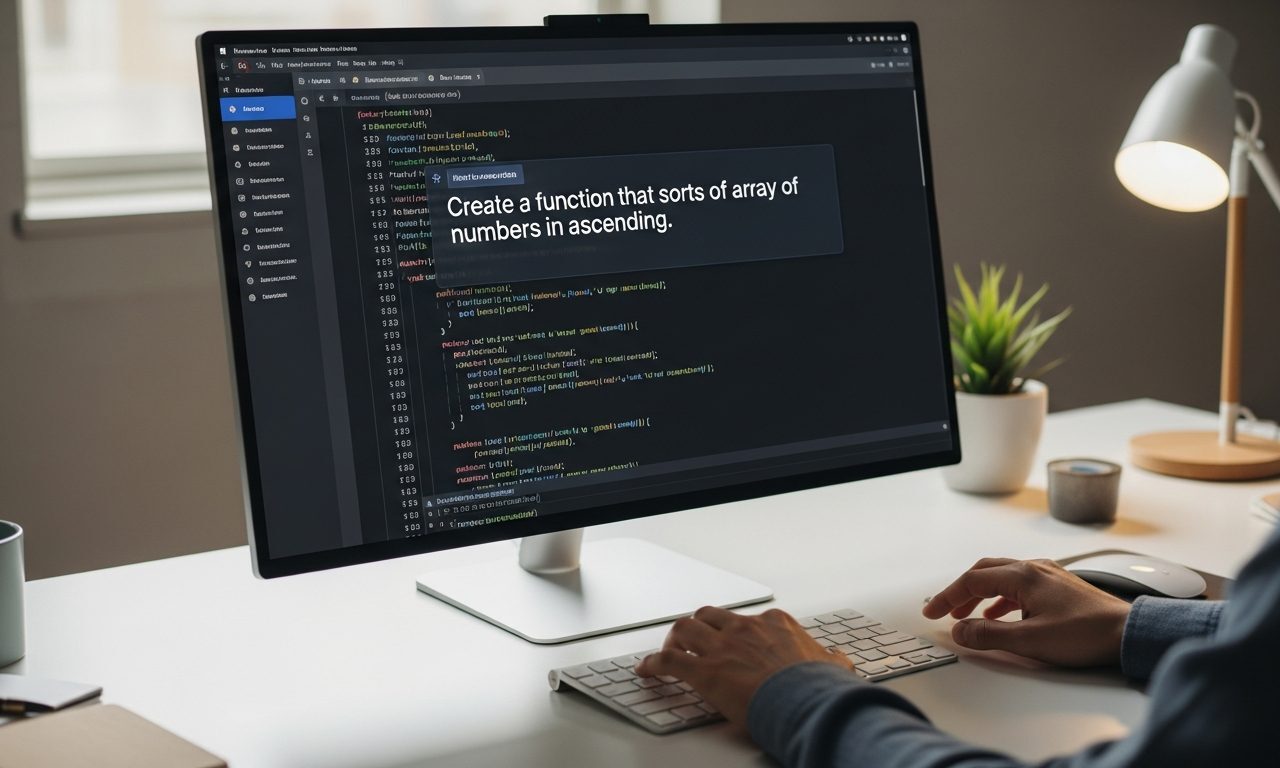
“Vibe coding” is the term for describing what you want in plain English — “build me a page that tracks my expenses and shows a monthly total” — and letting an AI tool write, run, and fix the actual code. No syntax, no debugging by hand. It sounds like either magic or marketing. Having actually shipped small tools this way, here’s the honest version.
What it actually is
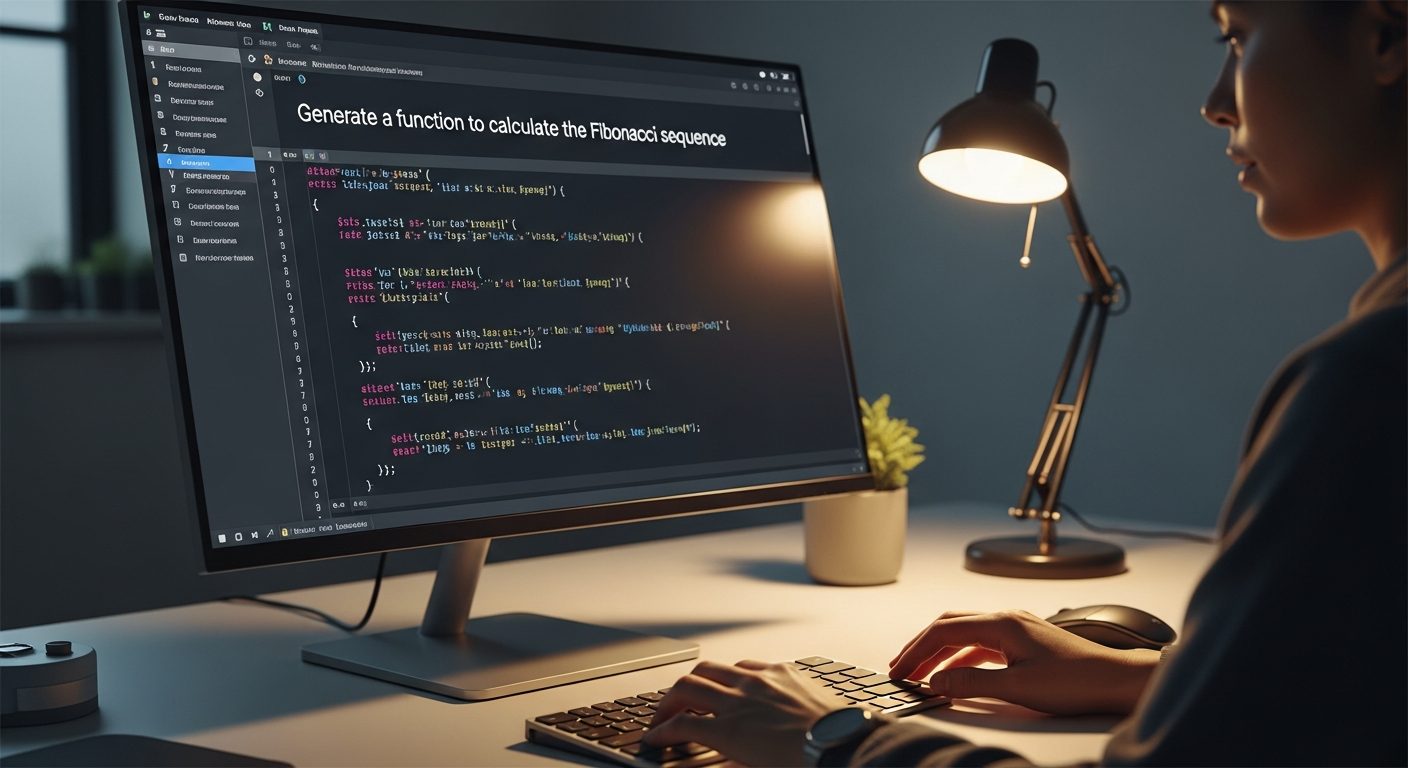
Tools like Claude Code, Cursor, and Replit’s AI agent let you describe a feature in natural language, and the AI writes the code, runs it, reads the error if it breaks, and fixes it — often without you seeing a single line unless you ask. You’re steering by describing outcomes, not writing syntax. That’s the “vibe” — you’re never far from just saying what you want next.
What it’s actually good for
- Small, personal tools — a tracker, a simple internal dashboard, a one-off automation script. Low stakes if it breaks.
- Prototypes — proving an idea works before investing in a “real” build.
- Non-developers building something they’d otherwise pay someone else to build — this is the case I’ve actually used it for.
Where it breaks down
- Anything handling real user data or payments. You can’t debug what you don’t understand, and security mistakes in vibe-coded apps are a real, documented problem.
- Long-lived projects. Code you didn’t write and don’t understand gets harder to extend every week — eventually you’re vibe-coding on top of vibe-coded spaghetti.
- Anything that needs to scale. The AI optimizes for “it works right now,” not for handling 10x the traffic.

The honest limitation
Vibe coding is real leverage, not a replacement for understanding software. The tools are excellent at producing something that runs; they’re much worse at knowing when something is subtly wrong — a security hole, a data-loss bug, an edge case that only shows up with real users. Treat the output the way you’d treat a junior contractor’s first draft: useful, fast, and in need of a review you’re qualified to give, or that you get someone else to give.
Should you try it?
Yes, for the low-stakes case: a tool that saves you time and that breaking wouldn’t hurt anyone. I cover exactly that build in building a working app in one weekend with Claude Code — same honest caveats apply there. Don’t reach for it first for anything touching money, health, or other people’s data.
Related reading
- AI and Copyright — Who Actually Owns What an AI Creates?
- What Is Multimodal AI? Why Your Assistant Can Suddenly See and Hear
- Cursor vs Windsurf vs GitHub Copilot: Which AI Coding Tool Fits a Non-Developer in 2026?
- DeepSeek Explained — Why China’s AI Model Shocked the Entire Tech World
- The 7 Biggest AI Moments of 2025 That Changed Everything
- I’m Not a Developer. I Built a Working App in One Weekend With Claude Code
- What Is Agentic AI — And Why Is Everyone Suddenly Talking About It?
- Browse the full AI guides Library
About the author
Shahid Saleem is the founder and editor of PickGearLab. He tests AI tools in the real world — writing, automation, content — and writes up what actually worked. Based in Dubai.
One practical AI tutorial. Every Monday.
Workflows like this one — straight to your inbox. Free. Unsubscribe in one click.
Subscribe free →